Tourism Investment in Portugal: Real Case Studies and Lessons Learned
What separates a successful tourism investment from one that struggles to move forward?
In Portugal, the difference rarely lies in the idea alone.
Many projects begin with strong concepts — from boutique hotels to rural retreats or F&B experiences —, but only a fraction reach full execution with sustainable returns.
The real differentiator lies in how projects are structured, financed, and aligned with market realities from the outset.
In this article, we explore real-world case studies and highlight the patterns behind successful tourism investments in Portugal — from concept to execution.
Case Study 1: From International Concept to Local Success
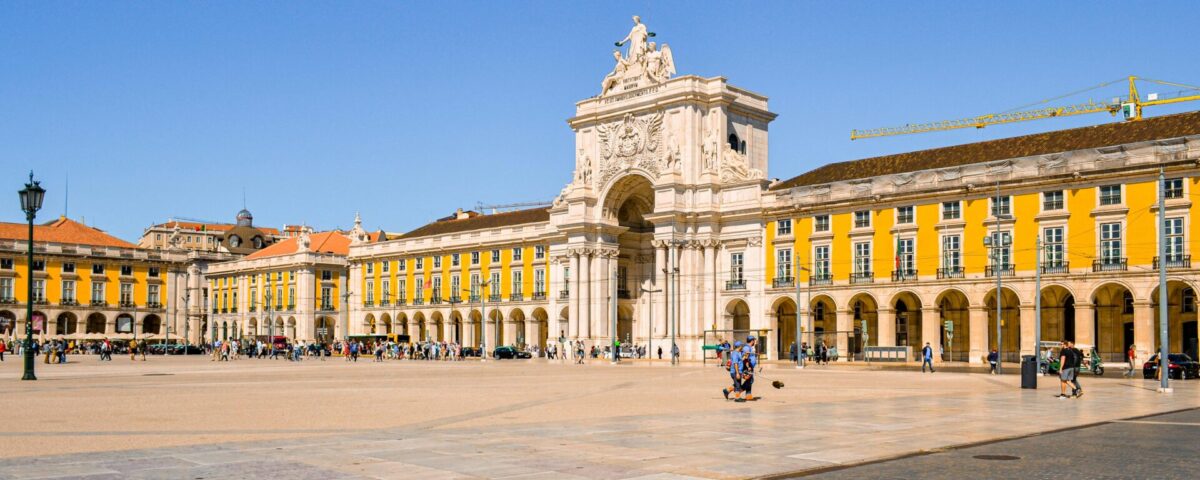
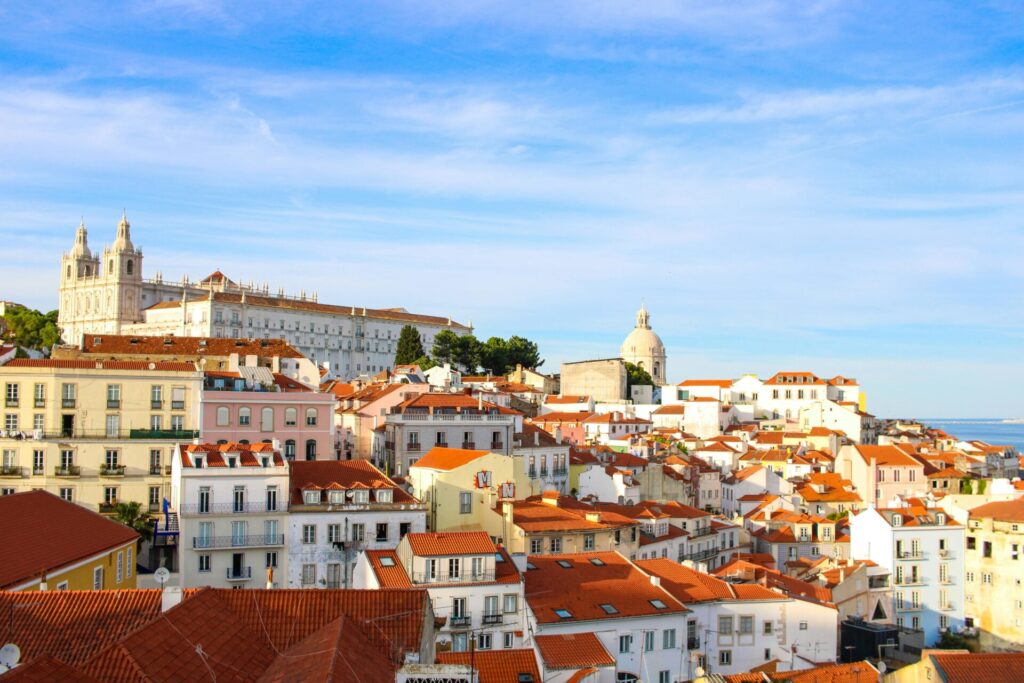
In From Paris to Lisbon: A Return Flavoured with Success, an international entrepreneur introduced a proven concept into the Portuguese market.
What worked:
- Clear positioning from day one
- Adaptation to local demand without losing brand identity
- Strong focus on location dynamics and foot traffic
Key lesson
A concept that performs well abroad does not automatically succeed in Portugal. However, when adapted to local demand patterns and regional dynamics — as explored in our analysis of the best regions for tourism investment in Portugal — it can significantly outperform expectations.
Case Study 2: Turning Lifestyle into a Structured Investment
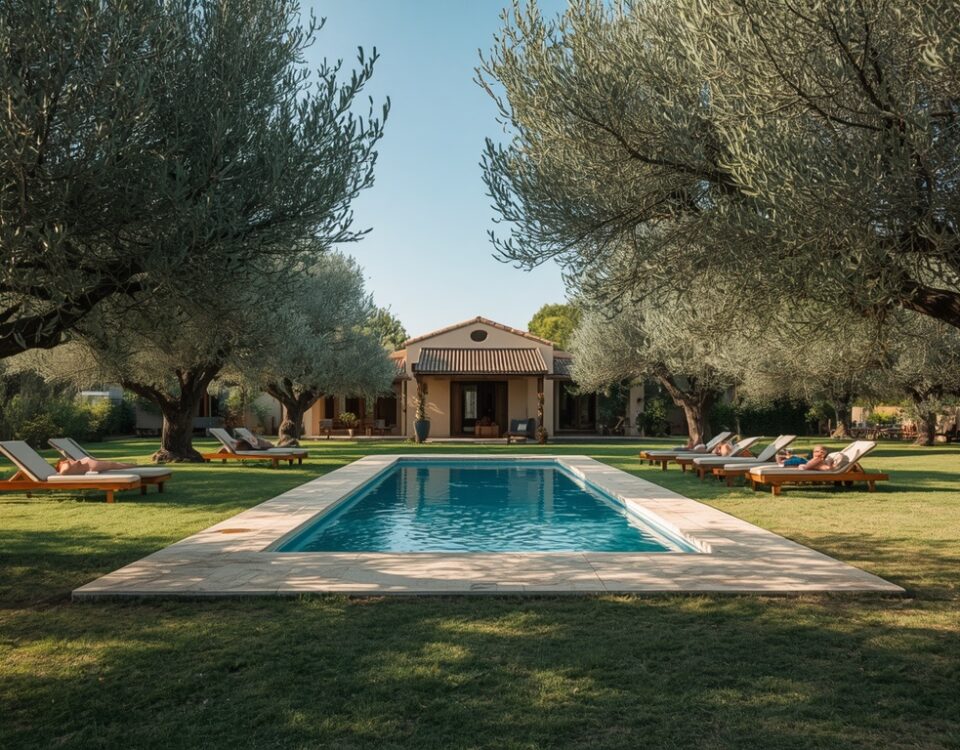
In From London to Alentejo: A Sustainable Dream Taking Shape, a lifestyle-driven project evolved into a structured tourism investment.
What worked:
- Alignment with sustainable and rural tourism trends
- Integration with regional development priorities
- Access to public incentives and funding frameworks
Key lesson
Lifestyle-driven projects only become viable investments when translated into structured, financeable models. This is particularly relevant in Portugal, where tourism incentives and public funding schemes play a key role in improving project viability and reducing initial capital exposure.
Case Study 3: Scaling a Family Business into a Tourism Asset
In From Brazil to Lisbon: A Family Recipe Turned Success Story, a small F&B concept scaled into a strong tourism-driven business.
What worked:
- Strong brand identity and storytelling
- Strategic positioning in a high-demand urban area
- Gradual scaling supported by disciplined cash flow management
Key lesson
Not all tourism investments need to start large. However, scalability must be embedded in the business model from the beginning to ensure long-term growth and resilience.
Case Study 4: From Idea to Structured Project
In From a Belgian Dream to a Project with Impact in Portugal, an early-stage concept was transformed into a fully structured investment project.
What worked:
- Clear definition of the business model and target market
- Integration of licensing, financial, and operational planning
- Early alignment with funding requirements
Key lesson
The earlier a project is properly structured, the higher its probability of securing funding and navigating licensing processes successfully — a topic explored in depth when structuring a tourism business plan that attracts funding.

What All Successful Projects Have in Common
Across different investor profiles, locations, and scales, successful tourism investments in Portugal share consistent foundations:
1. Strong Initial Structuring
Projects are built on:
- A clear value proposition
- A defined target market
- A coherent financial model
2. Alignment with Incentives and Policy
Successful investments leverage:
- Public incentives
- Regional development priorities
- Strategic programs such as Portugal 2030, which continues to create opportunities in sustainable tourism
3. Integrated Execution
Rather than fragmented decision-making, successful projects align:
- Licensing
- Architecture
- Financial structuring
- Funding strategy
4. Realistic Market Positioning
Projects perform when they:
- Match real demand patterns
- Select the right region
- Apply appropriate pricing strategies
Understanding why Portugal remains one of Europe’s most attractive tourism investment destinations helps explain why well-positioned projects continue to succeed.
Common Mistakes to Avoid
From the same case studies, recurring mistakes include:
- Overestimating demand without data
- Ignoring licensing constraints
- Underestimating capital requirements
- Treating incentives as guaranteed funding
- Delaying financial structuring
Final Insight
Tourism investment in Portugal is not just about identifying an opportunity — it’s about structuring it correctly from the beginning.
The difference between success and stagnation often comes down to:
- Timing
- Strategic alignment
- Execution discipline
Projects designed to meet both market demand and funding requirements are the ones that move forward.