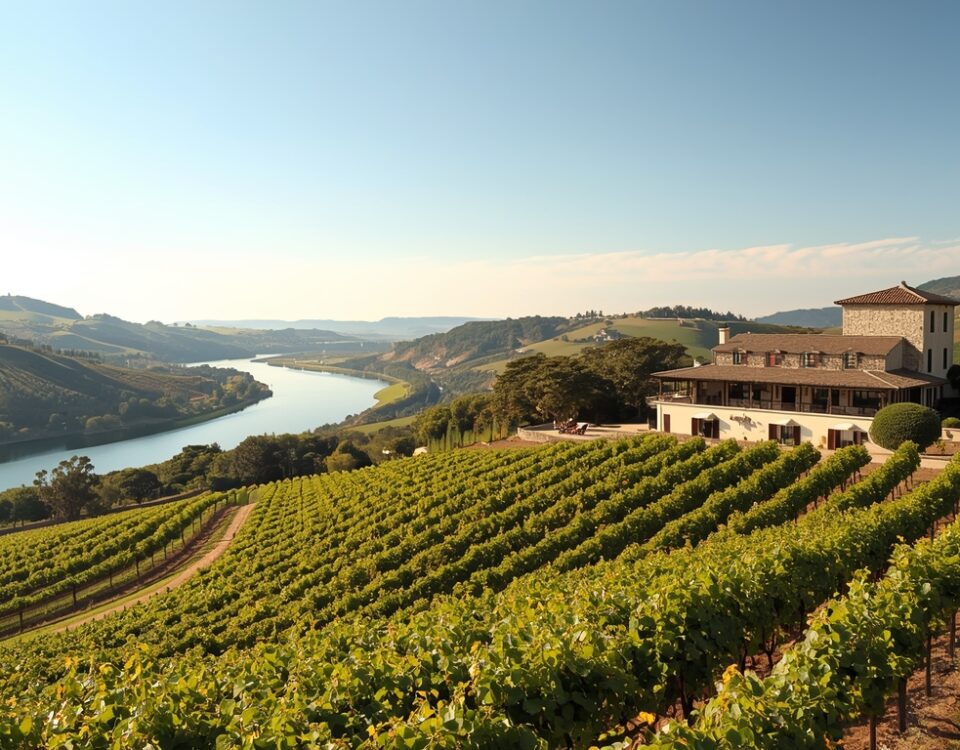
Best Regions in Portugal for Tourism Investment: Where Opportunity Meets Demand

Over the past decade, Portugal has established itself as one of Europe’s most dynamic tourism markets. Strong international demand, destination branding and a favourable investment environment have made the country increasingly attractive for hospitality developers and international investors.
Yet one of the most important decisions when planning a tourism project is location.
Different regions in Portugal offer very different investment profiles. Some benefit from mature tourism infrastructure and strong year-round demand, while others present emerging opportunities with lower development costs and growing international visibility.
Choosing the right region requires evaluating several key factors:
- visitor demand and travel patterns
- hospitality supply and market competition
- real estate and development costs
- regulatory frameworks and planning conditions
- long-term tourism growth potential
For investors exploring the Portuguese market, understanding the broader investment landscape is the first step. Our guide on tourism investment in Portugal, incentives and visa pathways explains how tourism projects, funding frameworks and residency strategies can be combined into a structured investment approach.

What Are the Best Regions in Portugal for Tourism Investment?
The most attractive regions for tourism investment in Portugal typically include:
- Lisbon – the country’s leading urban tourism market
- Algarve – a globally recognised resort destination
- Alentejo – a growing hub for sustainable and rural tourism
- Douro Valley and Centro Region – emerging destinations with strong experiential tourism potential
Each region offers different investment characteristics depending on tourism demand, infrastructure and development costs.
Understanding these regional dynamics is essential when evaluating hospitality projects or structuring a tourism investment strategy.
Regional Tourism Investment Overview
- Lisbon: mature urban tourism market; best for: boutique hotels, lifestyle hotels;
- Algarve: international resort destination; best for: luxury resort, golf tourism;
- Alentejo: sustainable and low-densiy tourism; best for: rural tourism estates, eco-lodges;
- Douro Valley: wine and experiential tourism; best for: boutique hotels, vineyard tourism;
- Centro Region: nature and cultural tourism; best for: mountain lodges, rural hospitality;
Understanding Regional Tourism Dynamics in Portugal
Tourism demand in Portugal is geographically diverse. While a few destinations receive the majority of international visitors, other regions are increasingly attracting travellers seeking authentic, nature-based and culturally rich experiences.
Investors analysing tourism opportunities in Portugal typically distinguish between three main categories of destinations:
- established international tourism hubs
- lifestyle destinations with growing demand
- emerging rural and nature-based regions
Each of these segments offers different investment characteristics in terms of:
- development costs
- market maturity
- competition levels
- growth potential
For a broader overview of the factors driving tourism development, see our analysis on why Portugal is one of Europe’s most attractive destinations for tourism investment.

Tourism Investment Opportunities in Lisbon
Lisbon remains Portugal’s primary tourism gateway and one of Europe’s most prominent urban travel destinations.
As the capital city, Lisbon benefits from:
- strong international air connectivity
- year-round tourism demand
- a diversified visitor profile
- a mature hospitality ecosystem
- Tourism investment in Lisbon frequently focuses on:
- boutique hotels in historic districts
- luxury hospitality developments
- serviced apartments and hybrid hospitality models
- lifestyle hotels targeting international travellers
- However, investors should also consider:
- higher real estate acquisition costs
- heritage and planning constraints in historic areas
- strong competition in prime locations
Despite these challenges, Lisbon remains one of the most attractive markets for investors seeking stable demand and international visibility.

Tourism Investment Opportunities in the Algarve
The Algarve is Portugal’s most internationally recognised resort destination and one of Europe’s strongest leisure tourism markets.
The region attracts millions of international visitors every year, particularly from Northern European markets such as the United Kingdom, Germany and the Netherlands.
Tourism investment opportunities in the Algarve typically include:
- integrated resort developments
- golf and leisure tourism projects
- branded hotels and luxury resorts
- serviced resort apartments
Key investment advantages include:
- established tourism infrastructure
- strong international brand recognition
- consistent leisure tourism demand
- a mature hospitality supply chain
One structural challenge remains seasonality, with demand concentrated in the summer months.
Regional strategies increasingly focus on:
- sports tourism
- wellness tourism
- cultural events
- conference and business tourism
These initiatives aim to strengthen year-round tourism activity.
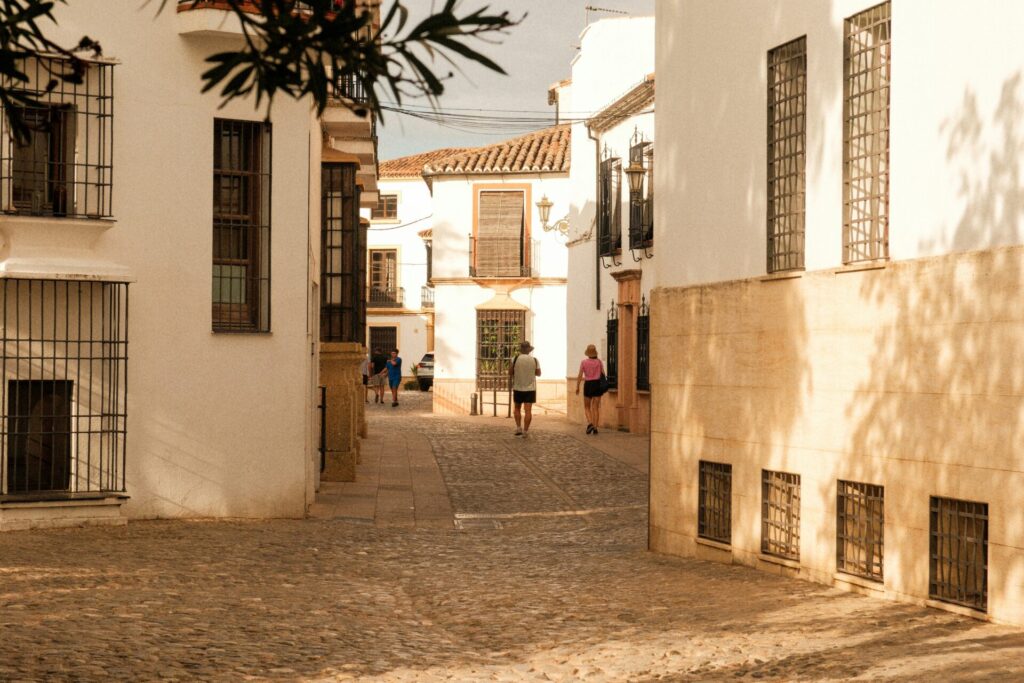
Tourism Investment Opportunities in the Alentejo
The Alentejo has become one of Portugal’s most promising destinations for sustainable tourism investment.
Unlike Lisbon or the Algarve, the region attracts travellers seeking quieter and more authentic experiences.
Key tourism segments include:
- wine and gastronomy tourism
- rural and countryside tourism
- cultural heritage experiences
- nature-based travel
Typical tourism developments include:
- boutique countryside hotels
- rural tourism estates
- eco-lodges and sustainable hospitality projects
- vineyard tourism developments
- For investors, the region offers several advantages:
- lower land acquisition costs
- increasing international recognition
- strong alignment with sustainability trends
Many projects in regions such as the Alentejo can benefit from Portugal 2030 strategic investment opportunities in sustainable tourism.
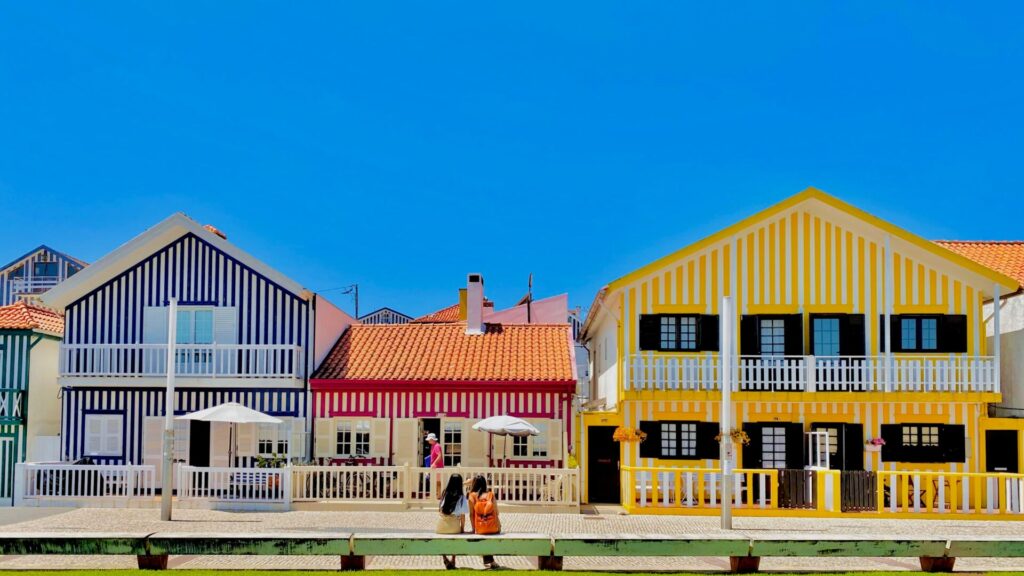
Emerging Tourism Regions in Portugal
Beyond established destinations, several regions are gaining attention among investors and travellers.
Examples include:
- Douro Valley
- Centro Region
- Serra da Estrela
These areas benefit from global tourism trends such as:
- rising demand for nature tourism
- interest in cultural and gastronomic travel
- travellers seeking less crowded destinations
- Investment advantages often include:
- lower property acquisition costs
- opportunities for differentiated hospitality concepts
- access to regional development incentives
Many projects can also access Portugal tourism investment incentives, grants and funding schemes designed to stimulate tourism development.
How to Choose the Right Region for Your Tourism Investment
Selecting the right location requires balancing market opportunity with operational feasibility.
Investors typically evaluate:
- tourism demand and visitor growth trends
- existing hospitality supply and competition
- accessibility and infrastructure
- regulatory frameworks and licensing requirements
- land acquisition and development costs
- availability of incentives and funding
The optimal location often depends on the type of tourism concept being developed, such as urban hospitality, resort tourism or rural experiential travel.
Conclusion: Aligning Location with Tourism Investment Strategy
Portugal offers a diverse landscape of tourism investment opportunities, ranging from dynamic urban destinations to emerging rural regions.
Established markets such as Lisbon and the Algarve provide strong international visibility and mature tourism infrastructure, while regions like Alentejo and other interior destinations offer promising opportunities for sustainable and experiential tourism development.
For international investors, choosing the right location is one of the most important strategic decisions when planning a tourism project.
Frequently Asked Questions
What are the best regions in Portugal for tourism investment?
The most popular regions include Lisbon, the Algarve and Alentejo, as well as emerging destinations such as the Douro Valley, Centro Region and Serra da Estrela.
Is tourism investment limited to Lisbon and the Algarve?
No. While Lisbon and the Algarve remain key markets, other regions are increasingly attracting investors due to lower development costs and growing tourism demand.
Are there incentives for tourism investment in Portugal?
Yes. Portugal offers several national and European funding programmes designed to support tourism development, particularly projects focused on sustainability and regional development.
Why are rural tourism projects becoming popular in Portugal?
Many travellers now seek authentic and nature-based experiences, which has increased demand for rural tourism, eco-lodges and countryside hospitality projects.